John Stone: My First 3D Animated Short
Timeline
2014 – Liège, Belgium
Role
Creator, Animator, Technical Problem-Solver
Project Overview
The Challenge
As part of my Travail de Fin d’Études (TFE) in Liège, Belgium, I had six months to produce a complete 3D animation project from scratch. With no prior experience in 3D software, I needed to learn industry-standard tools like 3D Studio Max and Maya while simultaneously building a fully realized character and environment.
The Solution
I immersed myself in online courses and classroom training, quickly gaining proficiency in 3D Studio Max (my primary tool) and Maya (used for prototypes). Starting from a written script, I developed sketches, character concepts, a storyboard, and an animatic before moving into the full production pipeline: modeling, texturing, lighting, rigging, animation, and post-production.
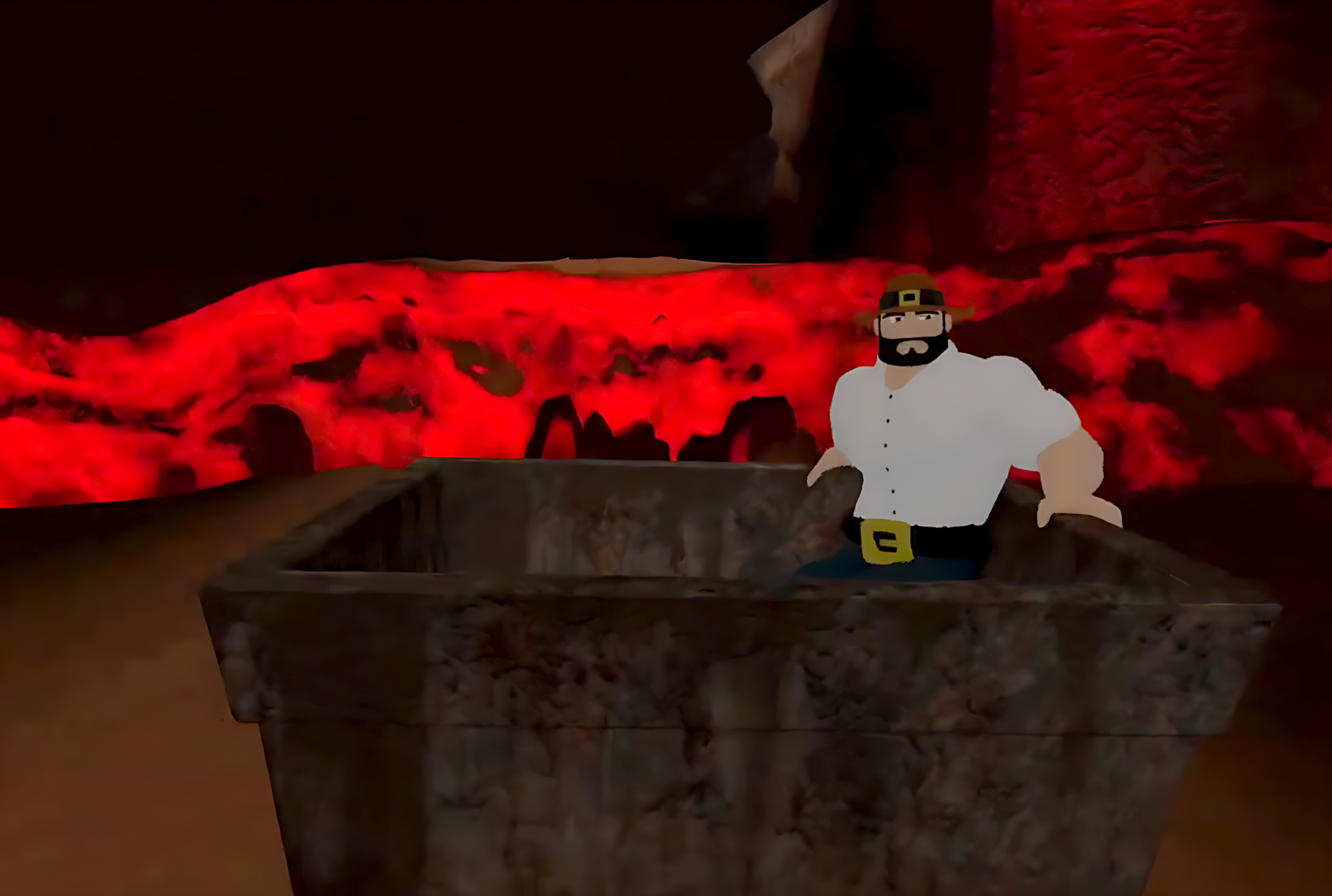
I experimented with Nuke for compositing but ultimately assembled the final scene in After Effects, ensuring a polished result.
Key Achievements
- Complete Production Pipeline: Learned and executed every stage of 3D animation, from concept to final render.
- Custom Character Creation: Designed and animated an original character within a large-scale environment.
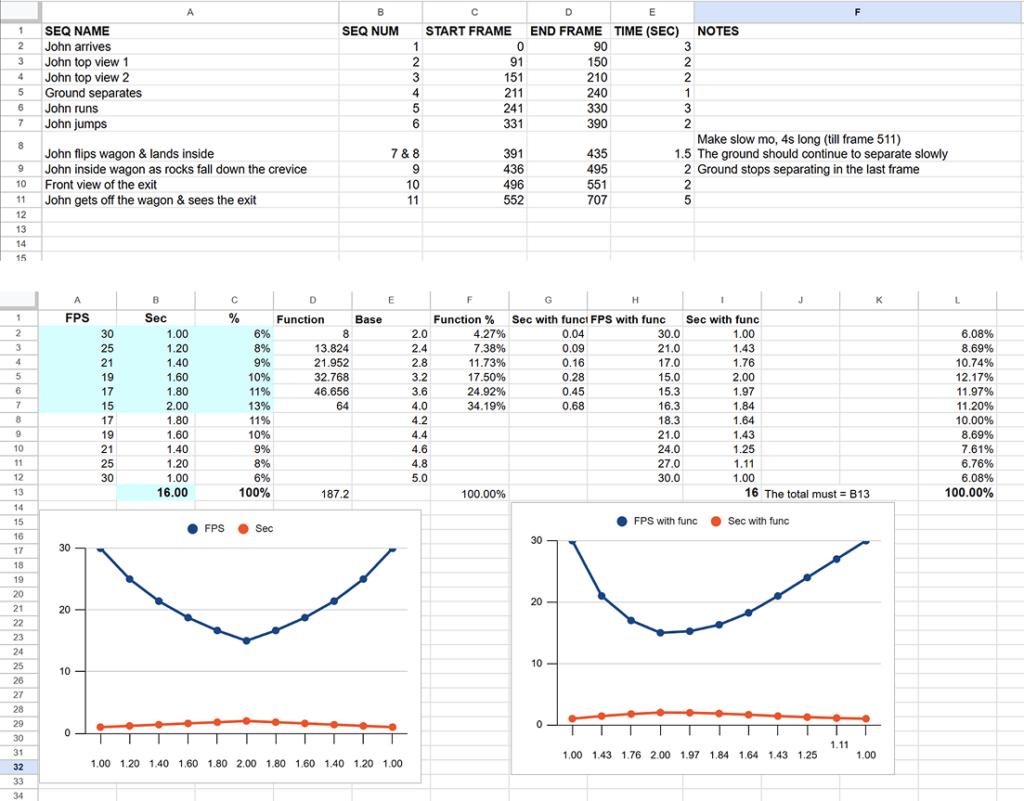
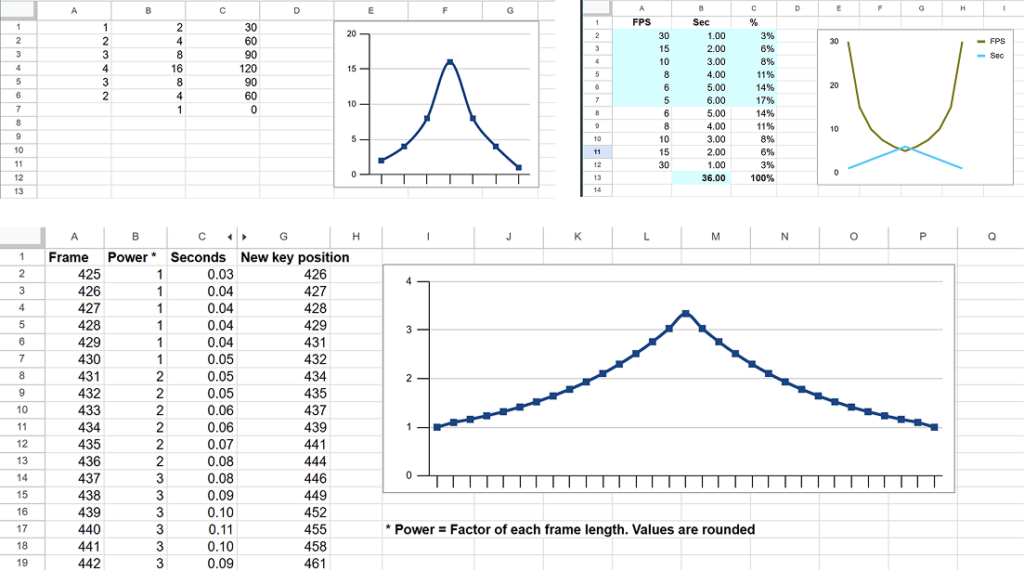
- Technical Innovation: Developed a mathematical function to achieve a slow-motion effect by spacing frames while maintaining a constant fps.
- Resilience Under Pressure: Overcame hardware failure when my laptop was damaged, purchasing a replacement on a tight student budget and continuing rendering locally.
- Recognition: Selected as the best work in my class for 2014, surpassing peers in scope and technical execution.
The Design Journey
Learning Curve
With no prior knowledge of 3D animation, I had to master complex tools in record time. Online courses and hands-on practice allowed me to progress from basic modeling to advanced rigging and animation.
Creative Development
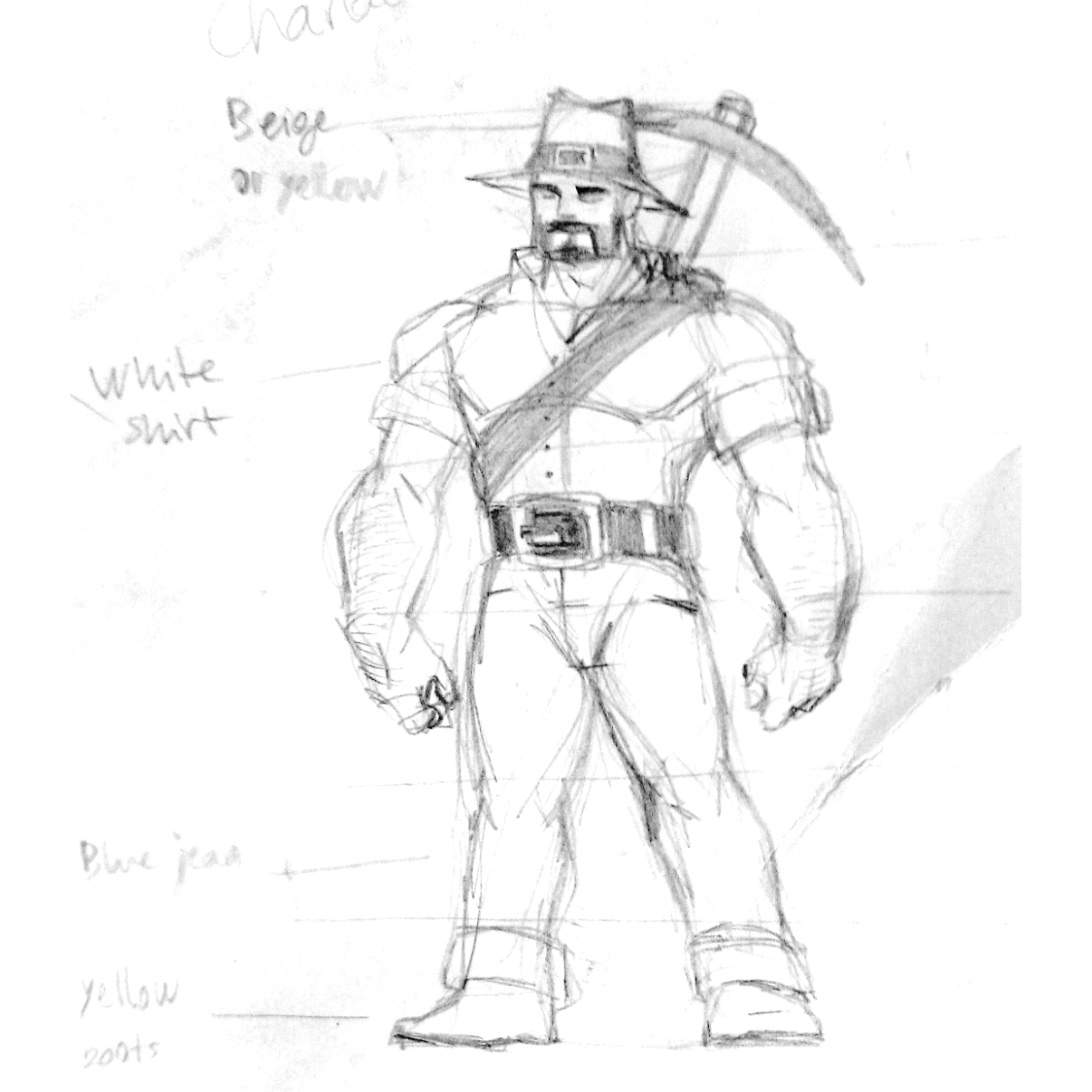
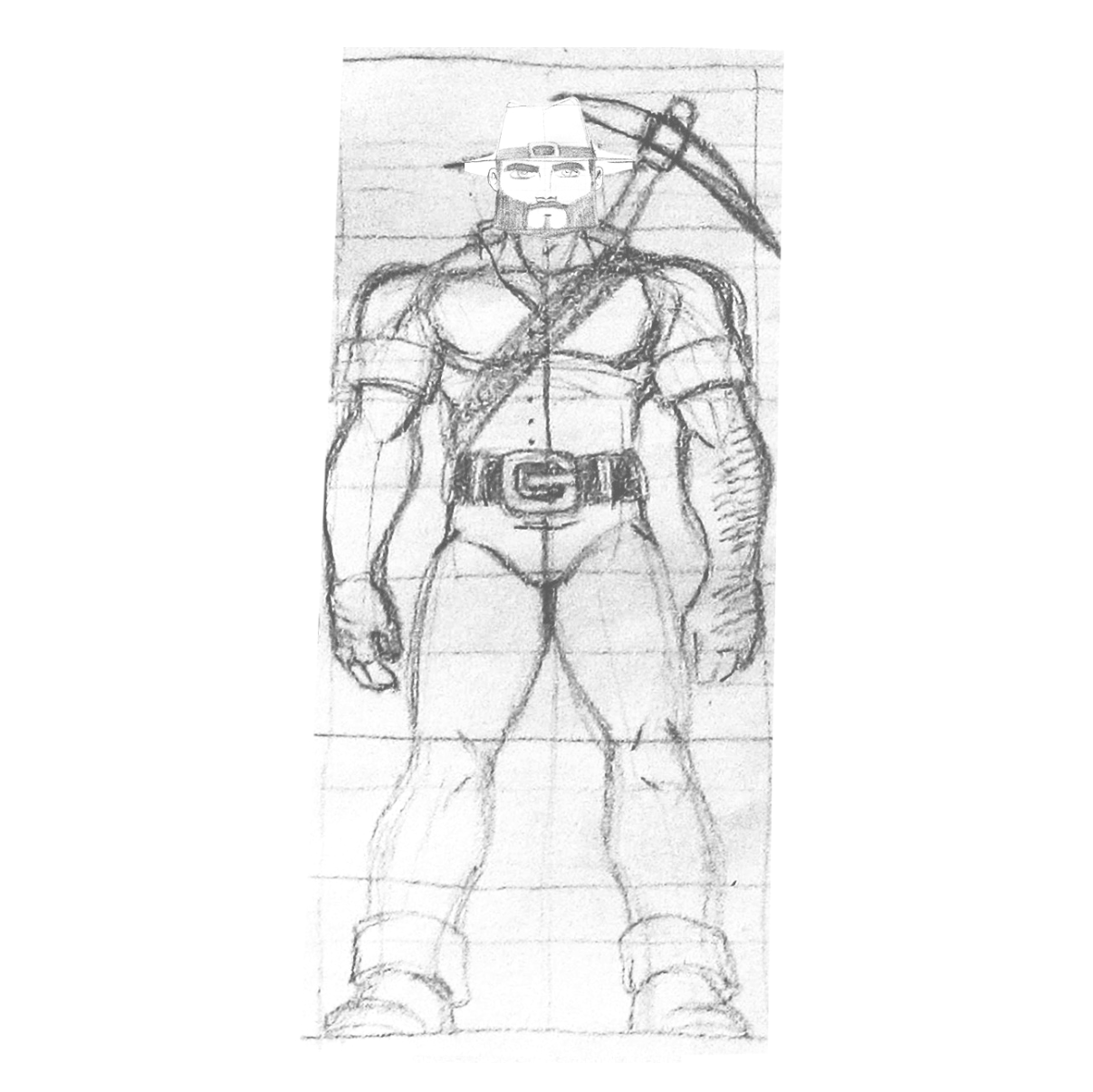
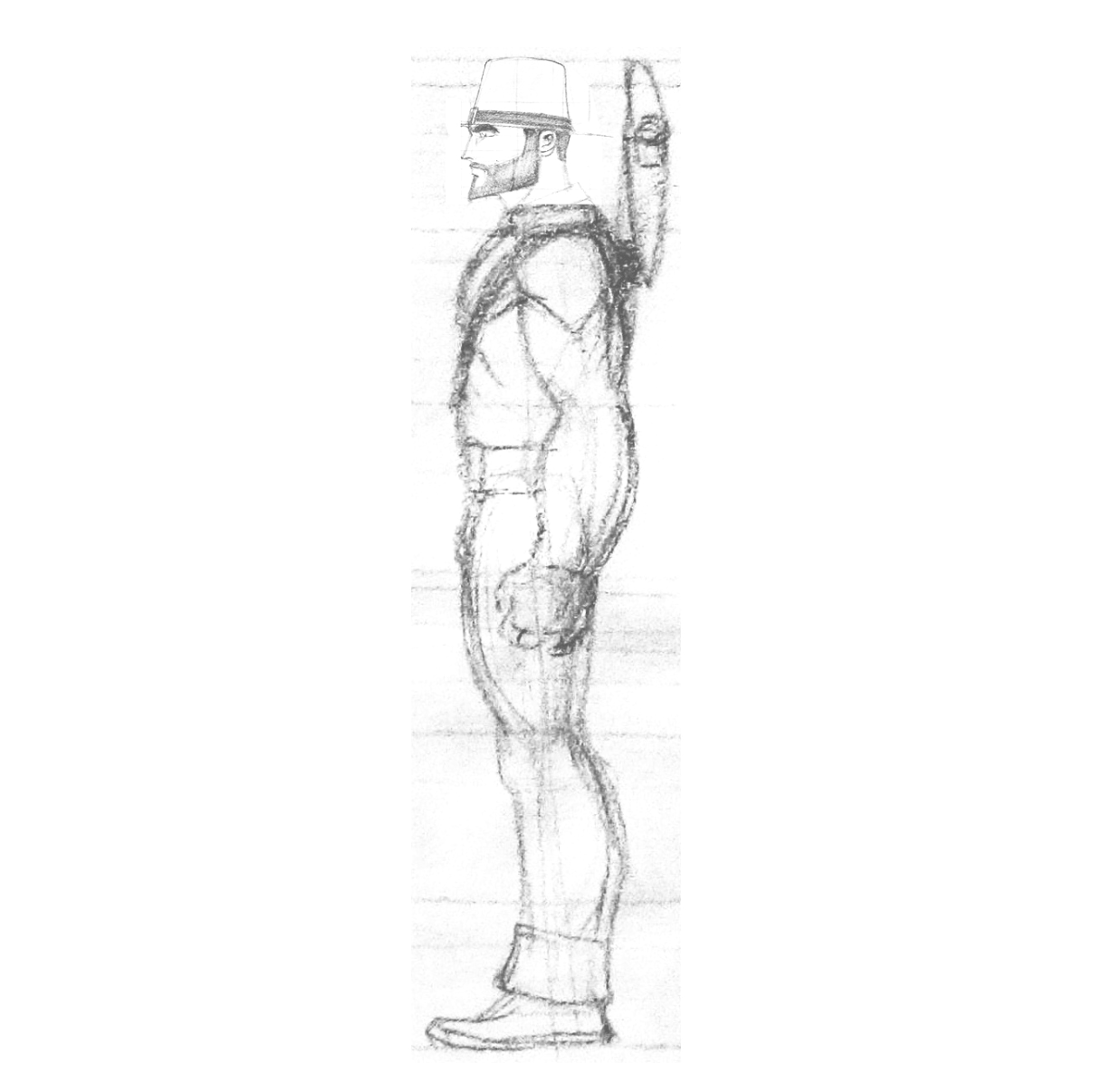
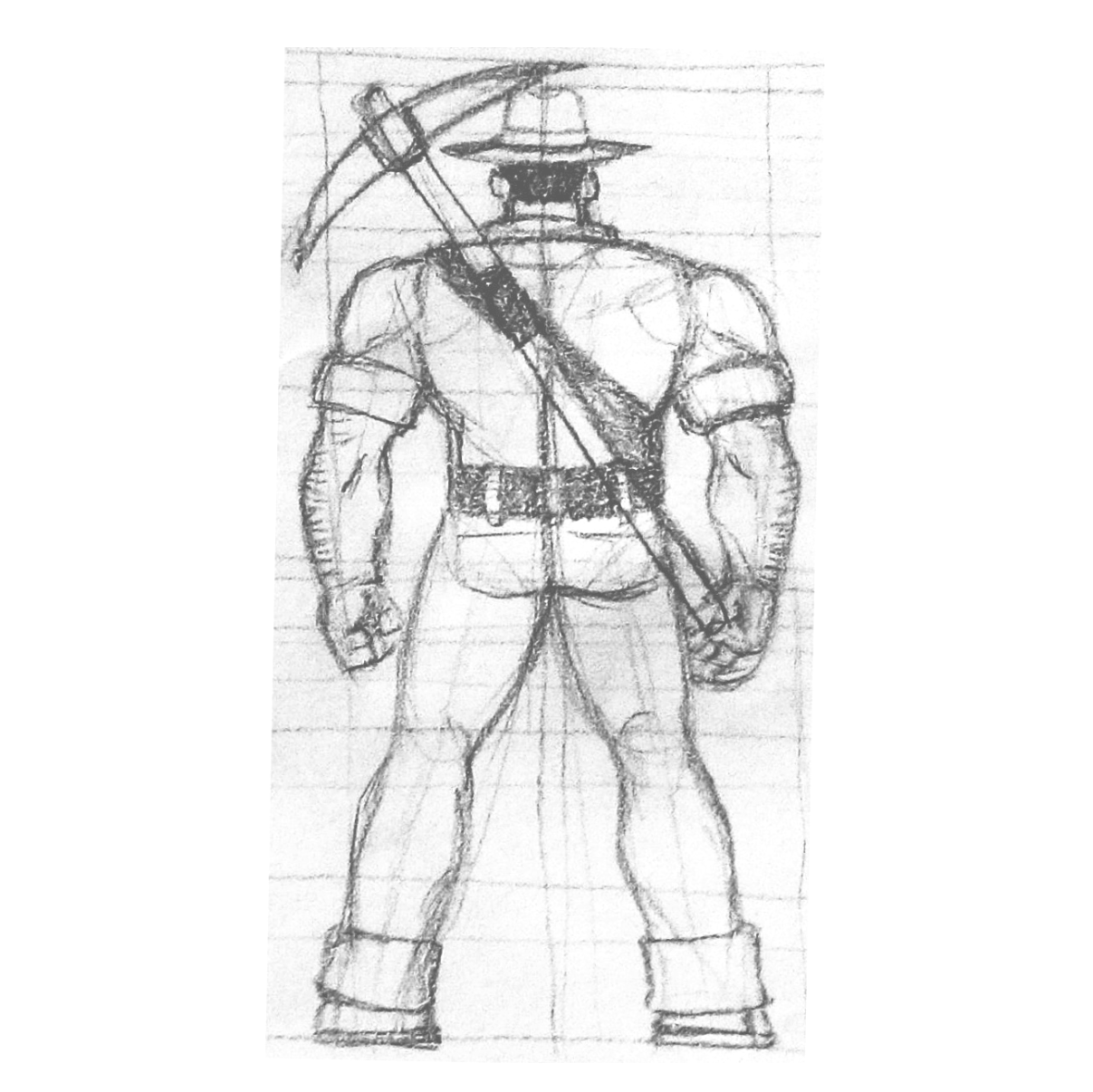
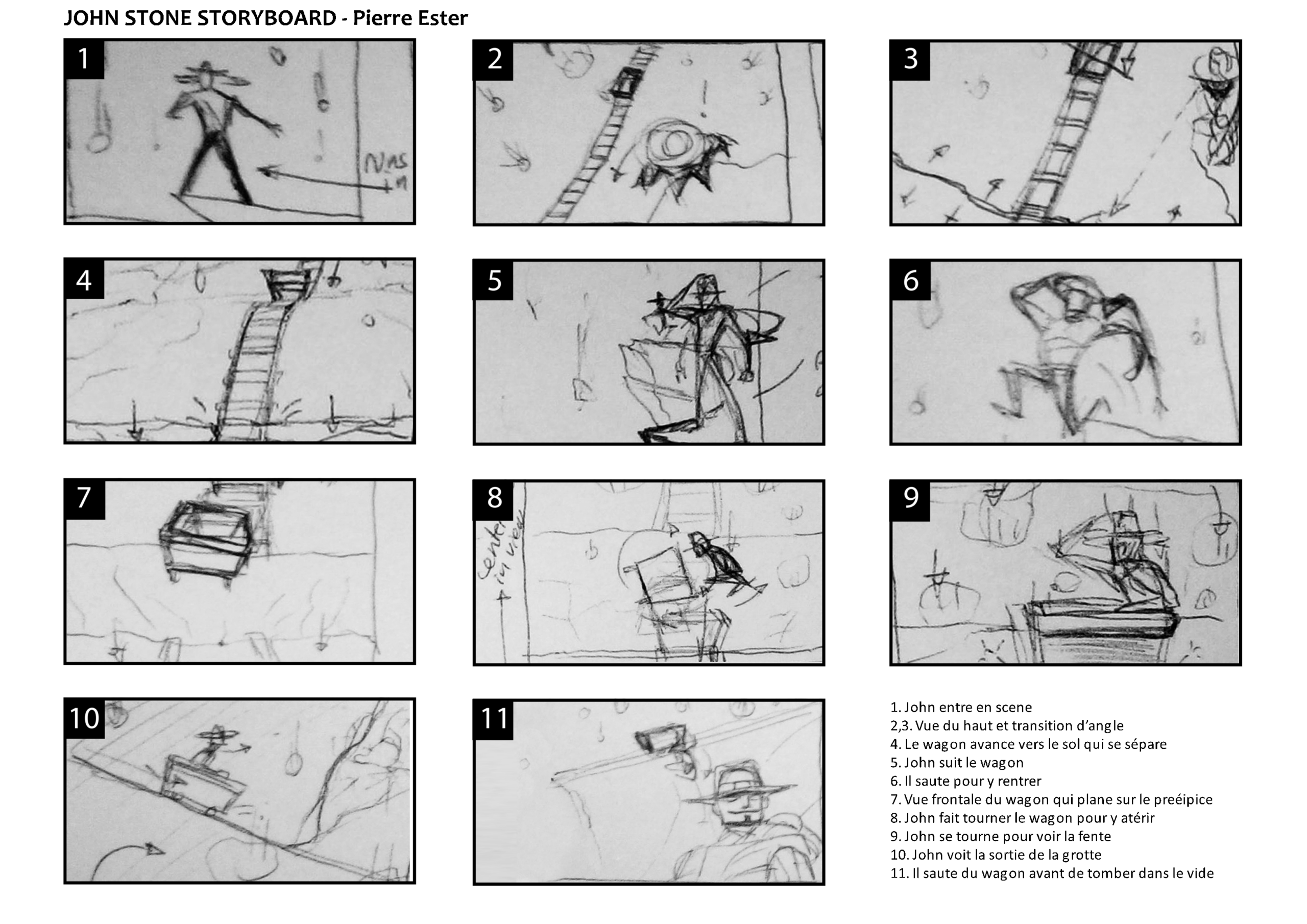
The project began with traditional storytelling techniques—scriptwriting, sketching, and storyboarding—before evolving into digital production. This ensured a strong narrative foundation for the animation.
Technical Challenges
- Hardware Failure: Losing a week of work due to water damage forced me to adapt quickly and optimize my workflow on a new laptop.
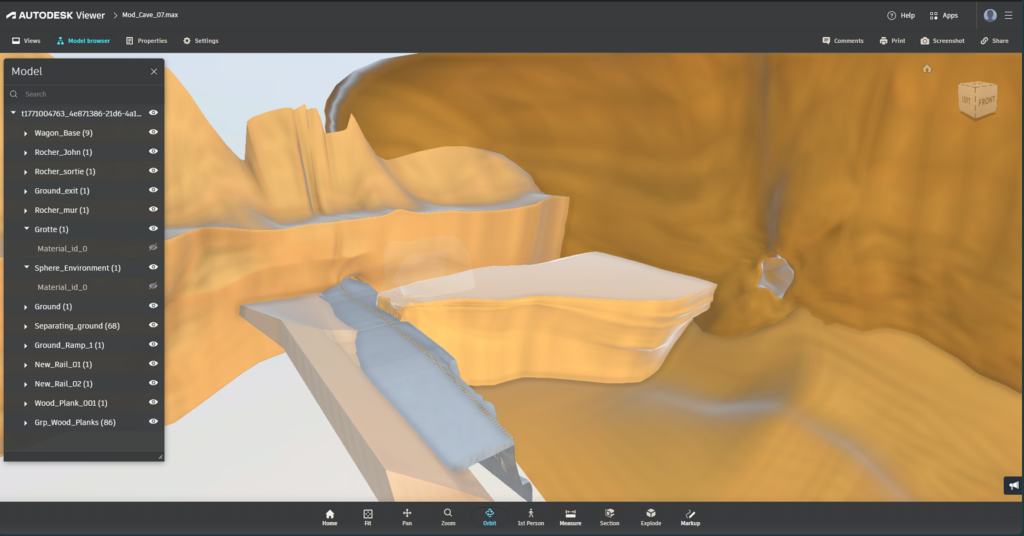
- Environment Optimization: The large-scale scene required careful management of textures and meshes to maintain performance.
- Slow-Motion Effect: By calculating a custom function in a spreadsheet, I achieved a smooth slow-motion sequence without compromising frame rate consistency.
Post-Production
While Nuke provided valuable experimentation, After Effects became the final compositing tool, allowing me to integrate all elements into a cohesive 40-second animation.
Results & Impact
- Delivered a complete 40-second 3D animation with an original character and environment.
- Recognized as the top project of the year in my class.
- Established a foundation in 3D animation that later informed my creative and technical projects.
- Demonstrated the ability to combine storytelling, technical innovation, and resilience under real-world constraints.
Lessons Learned
- Mastering new tools under pressure is possible with structured learning and persistence.
- Technical setbacks can become opportunities to innovate and optimize workflows.
- Storytelling remains the backbone of animation, even when working with complex software.
- A strong narrative combined with technical execution can elevate a student project into professional-level work.